 Nick Parker
In the world of steel and concrete, rubber may seem like an unlikely construction hero—but this flexible powerhouse is transforming how we build.
Whether it’s high-rise buildings, bridges, or residential homes, rubber for construction plays a critical role in improving durability, safety, and performance. As a construction material, rubber offers benefits that traditional materials like metal and wood can’t match—vibration isolation, water sealing, shock absorption, and weather resistance, to name a few.
In this article, we’ll explore the types of rubber used in construction, their applications, and why industrial rubber for construction is essential for modern infrastructure. We’ll also highlight Accuseal Rubber Inc., a trusted supplier in the USA, at the end.
Why Rubber Matters in the Construction Industry
When people think of construction, materials like concrete, steel, or bricks come to mind. But rubber? It’s often overlooked, despite its high-performance applications.
Rubber is increasingly used in the construction industry due to:
Flexibility and elasticity
Resistance to extreme temperatures
Waterproofing capabilities
Sound and vibration dampening
Cost-efficiency and longevity
These characteristics make construction-grade rubber essential across a wide range of applications—from rubber gaskets and seals to anti-slip flooring and vibration isolation pads.
Types of Rubber Used in Construction
Not all rubber is created equal. Depending on the project and environment, different types of rubber are chosen for specific applications.
1. EPDM Rubber for Construction
Ethylene Propylene Diene Monomer (EPDM) is widely used for:
Roofing membranes
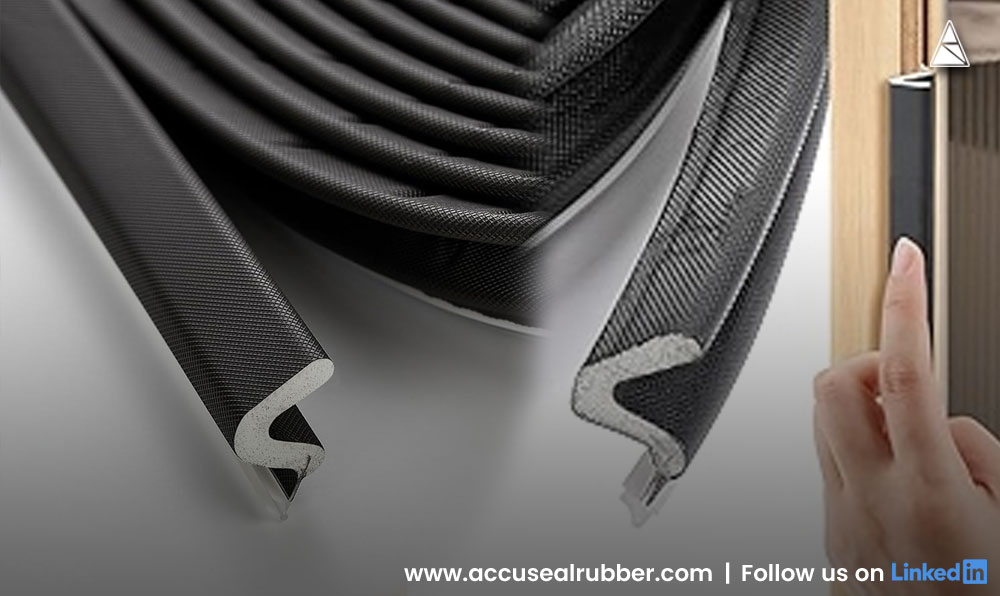
Window and door seals
Expansion joints
EPDM is weather-resistant, UV-stable, and remains flexible in extreme temperatures—making it ideal for outdoor construction use.
2. Neoprene Rubber for Infrastructure
Neoprene is resistant to oil, chemicals, and oxidation. It’s often used in:
Bridge bearings
HVAC insulation
Waterproof membranes
This durable rubber for construction excels in structural applications that demand long-term resilience.
3. Rubber Sheets for Construction
Rubber sheets offer versatility and are commonly used for:
Flooring underlayments
Dampening vibration in heavy equipment
Sealing between structural joints
Available in rolls or cut-to-size, rubber sheets offer insulation, shock resistance, and waterproofing capabilities.
Key Applications of Rubber in Construction
Let’s break down the core construction uses of rubber across commercial and industrial projects.
✅ Rubber for Expansion Joints
Expansion joints are crucial in structures to absorb movement due to thermal expansion, load stress, or seismic activity. Rubber serves as a flexible and weatherproof barrier, maintaining structural integrity.
✅ Rubber Gaskets for Construction
Gaskets are used to prevent leaks in windows, doors, and pipes. Rubber gaskets provide air-tight, watertight sealing—essential in both residential and commercial projects.
✅ Rubber Waterstops for Concrete
In large concrete pours such as tunnels, dams, and water tanks, rubber waterstops prevent water seepage through joints. These rubber components ensure longevity and safety in hydro-based infrastructure.
✅ Vibration Isolation Rubber
Heavy machinery and HVAC systems can create disruptive vibrations. Rubber isolation pads and mounts protect building structures and improve acoustic comfort by absorbing shocks and reducing noise.
✅ Rubber Insulation for Construction
Used in both thermal and sound insulation, rubber insulation materials keep buildings energy-efficient and quiet. Neoprene and EPDM foams are often used in walls, ceilings, and floors.
✅ Soundproof Rubber for Buildings
In urban areas and high-rise structures, soundproofing is a priority. Rubber panels and sheets reduce airborne and structure-borne sound, making it an eco-friendly alternative to synthetic insulators.
✅ Rubber Mats for Construction Sites
Rubber mats are used on-site for safety, anti-fatigue support, and machinery placement. They provide traction and protection on muddy or unstable surfaces.
✅ Anti-Slip Rubber Flooring
Ideal for staircases, walkways, and industrial kitchens, anti-slip rubber flooring prevents accidents in both dry and wet environments.
Benefits of Using Rubber in Construction Projects
Rubber’s growing popularity in construction is fueled by several practical advantages:
💡 1. Durability
Rubber withstands harsh weather, chemicals, and mechanical wear—making it a long-lasting material for demanding applications.
💡 2. Versatility
From rubber sealants to rubber bearings for bridges, its uses range across commercial, civil, and residential projects.
💡 3. Cost-Effectiveness
Rubber products often require minimal maintenance and are reusable or recyclable—contributing to sustainable building practices.
💡 4. Safety Enhancements
Rubber’s non-slip and shock-absorbent nature makes it ideal for improving job site and building safety.
💡 5. Easy Installation
Many rubber components like construction rubber sealants and gaskets are easy to install, which reduces labor time and cost.
Custom Rubber Solutions for Construction
Many projects demand custom rubber products tailored to specific dimensions, durometer (hardness), and environmental conditions.
At this point, custom rubber molding for construction forms, rubber linings for tanks, or rubber pads for equipment become invaluable.
Working with a supplier that offers custom fabrication ensures the rubber performs flawlessly in your unique application.
Who Needs Rubber for Construction?
If you’re involved in any of the following, rubber is likely a material you already use—or should start using:
Civil engineers
Architects and builders
MEP contractors
HVAC specialists
Flooring companies
Government infrastructure projects
How to Choose the Right Rubber Products
To ensure optimal performance, consider the following when selecting rubber for your construction project:
Environment Exposure – UV, temperature, moisture
Chemical Resistance – Will it be exposed to oils or chemicals?
Load Requirements – Need for shock absorption or bearing loads
Custom vs. Standard Sizes
Certifications – Make sure your supplier complies with ISO or ASTM standards
Looking for a Trusted Rubber Supplier in the USA?
When it comes to sourcing high-quality, construction-grade rubber, one name you can count on is Accuseal Rubber Inc. With decades of experience in the rubber manufacturing industry, Accuseal specializes in:
Custom and standard rubber products
Rubber gaskets, seals, sheets, and waterstops
Solutions for civil, commercial, and industrial construction
Whether you’re building bridges or sealing windows, Accuseal Rubber Inc. provides durable, USA-manufactured rubber solutions that meet the highest quality standards.
The next time you walk through a commercial building or drive over a bridge, remember—rubber is hard at work beneath the surface. From vibration control to waterproofing, its presence is subtle but vital.
With options like EPDM, neoprene, rubber sheets, waterstops, seals, and anti-slip mats, rubber continues to revolutionize the way we design and build structures. If you’re planning a construction project, integrating industrial rubber for construction is a smart, sustainable move.
Partner with Accuseal Rubber Inc. for reliable, custom-fit rubber solutions made in the USA. Your buildings—and their future—deserve nothing less.