 Nick Parker
In the dynamic world of automotive manufacturing, every component plays a crucial role in a vehicle’s performance, safety, and longevity. Among these, rubber components are unsung heroes, silently working behind the scenes to ensure smooth operation, dampen vibrations, prevent leaks, and provide essential cushioning. But who makes these vital parts? Enter the automobile rubber components manufacturer.
This comprehensive guide will delve deep into the world of automotive rubber components, answering your most pressing questions, offering actionable insights for SGE snapshots, and helping you understand why choosing the right manufacturer, like Accuseal Rubber Inc. in New Jersey, USA, is paramount.
What is an Automobile Rubber Components Manufacturer?
An automobile rubber components manufacturer specializes in the design, development, and production of various rubber-based parts used in the automotive industry. These companies leverage a deep understanding of rubber chemistry, material science, and manufacturing processes to create components that meet the stringent demands of modern vehicles, from extreme temperatures and pressures to constant vibrations and exposure to chemicals.
Why Are Rubber Components So Critical in Vehicles?
Rubber’s unique properties make it indispensable in automotive design. Its elasticity, resilience, resistance to various fluids, and ability to absorb shock and vibrations contribute significantly to:
- Safety: From braking systems to airbag components, rubber plays a direct role in vehicle safety.
- Performance: Hoses, seals, and gaskets ensure fluid containment and optimal engine function.
- Comfort: Bushings, mounts, and weatherstripping reduce noise, vibration, and harshness (NVH), leading to a smoother, quieter ride.
- Durability and Longevity: High-quality rubber components resist wear and tear, extending the lifespan of other critical vehicle systems.
- Efficiency: Proper sealing prevents leaks, contributing to better fuel economy and reduced emissions.
Common Questions About Automobile Rubber Components
What types of rubber components are used in automobiles?
The list is extensive, covering nearly every part of a vehicle. Here are some of the most common categories:
- Seals and Gaskets: These are perhaps the most vital rubber components, preventing leaks of fluids (oil, coolant, fuel, hydraulic fluid) and gases, and keeping out dust and moisture. Examples include O-rings, engine gaskets, transmission seals, and door/window seals.
- Hoses and Belts:
- Hoses: Transport various fluids (radiator hoses for coolant, fuel lines, brake lines).
- Belts: Drive various engine accessories (serpentine belts, timing belts).
- Vibration and Noise Dampeners:
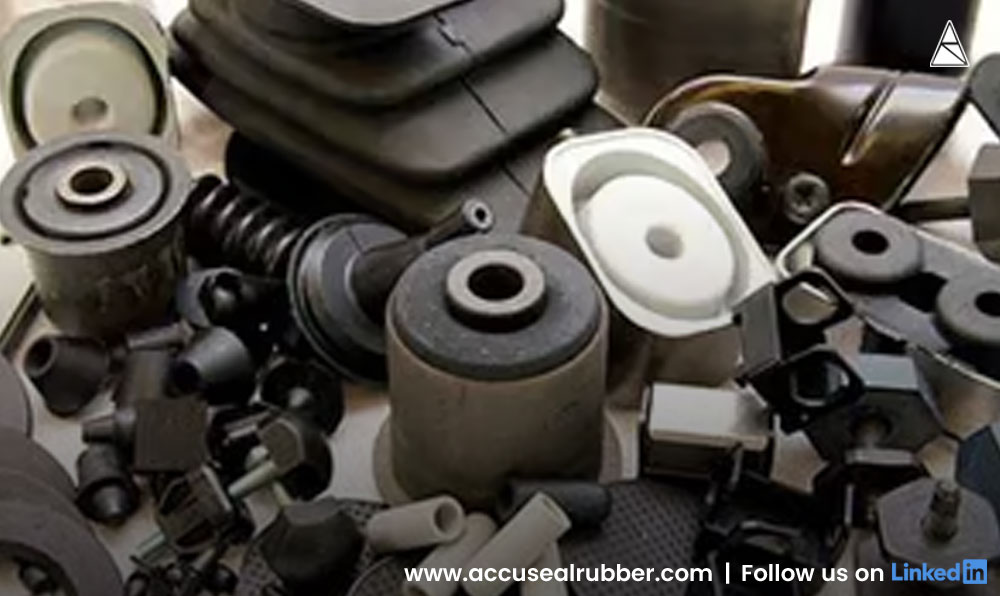
- Bushings: Cushion suspension components, reducing metal-on-metal contact and absorbing road shocks.
- Engine and Transmission Mounts: Isolate the engine and transmission from the chassis, minimizing vibrations and noise transferred to the cabin.
- Weatherstripping: Seals around doors, windows, and trunks to prevent water, air, and noise intrusion.
- Tires: While a complete product in themselves, tires are the most obvious and critical rubber component, providing grip, traction, and shock absorption.
- Wiper Blades: Essential for clear visibility.
- Interior Components: Grips, pads, and various small seals for comfort and functionality.
- Exhaust System Hangers: Support exhaust pipes, absorbing vibrations and preventing rattling.
What are the different types of rubber materials used?
Automobile rubber components are manufactured from a variety of natural and synthetic rubbers, each with specific properties suitable for different applications:
- Natural Rubber (NR): Excellent tensile strength, tear resistance, and dynamic properties. Often used in tires and some vibration dampening applications.
- Styrene-Butadiene Rubber (SBR): A synthetic rubber with good abrasion resistance, impact strength, and resilience. Cost-effective and widely used in tires and molded goods.
- Ethylene Propylene Diene Monomer (EPDM): Known for excellent resistance to weathering, ozone, UV radiation, heat, and water. Ideal for outdoor applications like weatherstripping, hoses, and seals.
- Nitrile Rubber (NBR / Buna-N): Offers superior resistance to petroleum-based oils, fuels, and hydraulic fluids. Commonly used for O-rings, gaskets, and fuel hoses.
- Silicone Rubber (VMQ): Exhibits excellent high and low-temperature resistance, good flexibility, and ozone resistance. Used in high-temperature seals, gaskets, and some hoses.
- Fluoroelastomers (FKM / Viton™): Premium performance rubber with exceptional resistance to high temperatures, chemicals, and fuels. Employed in demanding applications like fuel system seals and turbocharger hoses.
- Neoprene (CR): Provides good resistance to oils, chemicals, ozone, and weathering. Used in various hoses, belts, and seals.
- Butyl Rubber (IIR): Characterized by very low gas and moisture permeability, excellent shock absorption, and resistance to heat and aging. Used in inner tubes and vibration dampeners.
- Hydrogenated Nitrile Butadiene Rubber (HNBR): Enhanced oil, fuel, and chemical resistance compared to NBR, with higher temperature capabilities. Found in automotive air conditioning systems and engine seals.
What is the manufacturing process for automobile rubber components?
The manufacturing of rubber components involves several key stages:
- Compounding: Raw rubber (natural or synthetic) is mixed with various additives such as fillers (carbon black, silica), vulcanizing agents (sulfur), plasticizers, antioxidants, and pigments. This step customizes the rubber’s properties for specific applications.
- Mixing: The compounded rubber is thoroughly mixed in internal mixers or two-roll mills to ensure homogeneity.
- Shaping/Forming: This is where the rubber takes its initial shape. Common methods include:
- Extrusion: Rubber is forced through a die to create continuous profiles (e.g., hoses, seals, tubing).
- Molding:
- Compression Molding: Rubber is placed in a heated mold cavity, and pressure is applied to form the part. Ideal for larger, simpler shapes.
- Injection Molding: Heated, liquid rubber is injected into a closed mold under high pressure. Suitable for intricate, precise designs and mass production.
- Transfer Molding: A pre-measured rubber compound is heated in a chamber and then forced into a closed mold cavity. Good for parts with inserts or complex geometries.
- Calendering: Rubber is passed through a series of rollers to create thin sheets or coat fabrics.
- Vulcanization (Curing): The shaped rubber is heated with a curing agent (typically sulfur) to create cross-links between polymer chains. This process transforms the soft, pliable rubber into a durable, elastic, and stable material with enhanced strength, heat resistance, and longevity.
- Finishing: Excess material (flash) is trimmed, and components undergo inspection and sometimes secondary operations like cutting, punching, or bonding to metal.
How do manufacturers ensure the quality of rubber automotive parts?
Quality assurance is paramount in automotive rubber component manufacturing. Reputable manufacturers employ:
- Strict Material Sourcing: Using only high-grade, certified raw materials.
- In-Process Quality Control: Monitoring every stage of manufacturing, from compounding to curing.
- Adherence to Industry Standards: Compliance with ISO/TS 16949 (now IATF 16949), ASTM, SAE, and other relevant automotive and rubber industry standards.
- Comprehensive Testing:
- Physical Property Testing: Tensile strength, elongation, hardness (durometer), tear strength, compression set, rebound resilience.
- Environmental Resistance Testing: Heat aging, ozone resistance, fluid resistance (oil, fuel, coolant), weather aging.
- Dimensional Accuracy: Ensuring precise fit and function.
- Durability Testing: Fatigue testing, abrasion resistance.
- Root Cause Analysis: For any internal rejections or customer complaints to prevent recurrence.
- Certifications and Documentation: Providing test certificates (TCs), material data sheets (MDS), and facilitating third-party inspections.
Choosing the Right Automobile Rubber Components Manufacturer
Selecting a reliable manufacturer is crucial for the success of your automotive projects. Here’s a step-by-step guide and key factors to consider:
Step-by-Step Selection Guide:
- Define Your Needs Clearly:
- What specific rubber components do you require? (e.g., custom seals, standard O-rings, specialized hoses)
- What are the performance requirements (temperature range, fluid exposure, pressure, vibration)?
- What are the quantity and timeline requirements?
- Do you need design assistance or material recommendations?
- Research and Shortlist Potential Manufacturers:
- Look for manufacturers with specific experience in the automotive industry.
- Check their certifications (IATF 16949, ISO 9001).
- Review their product range and material capabilities.
- Evaluate Technical Expertise and Engineering Support:
- Do they have in-house engineers who can assist with design optimization, material selection, and troubleshooting?
- Can they offer custom compounding solutions?
- Assess Quality Control and Assurance:
- Inquire about their quality management system and testing procedures.
- Ask for examples of their quality documentation (TCs, MDS).
- Do they have a strong track record of consistent quality?
- Consider Manufacturing Capabilities and Capacity:
- Can they handle your required production volumes (both small prototypes and large-scale orders)?
- What manufacturing processes do they specialize in (molding, extrusion)?
- What are their typical lead times?
- Review Customer Service and Communication:
- Are they responsive and communicative?
- Do they offer dedicated technical support?
- Are they willing to collaborate on complex projects?
- Evaluate Cost-Effectiveness (not just lowest price):
- While competitive pricing is important, prioritize overall value, including quality, reliability, and support, over the lowest bid.
- Inquire about volume discounts and pricing structures.
- Check for Sustainability Practices:
- Do they have eco-friendly manufacturing processes or offer sustainable material options? (Increasingly important in the automotive industry).
- Request Samples and References:
- If possible, obtain samples of their work.
- Ask for references from other automotive clients.
Key Factors:
- Quality Assurance & Certifications: IATF 16949, ISO 9001, comprehensive testing.
- Technical Expertise: In-house engineering, custom compounding.
- Manufacturing Capabilities: Molding (compression, injection, transfer), extrusion, calendering.
- Product Range: Seals, gaskets, hoses, belts, mounts, weatherstripping.
- Material Specialization: EPDM, NBR, Silicone, FKM, etc.
Market Trends in Automotive Rubber Components
The automotive rubber components market is constantly evolving, driven by technological advancements and shifting industry demands. Key trends include:
- Electrification (EVs & Hybrids): The rise of electric vehicles creates new demands for lightweight, thermally resistant, and electrically insulative rubber components. Noise reduction and vibration control are even more critical in quiet EVs.
- Lightweighting: Manufacturers are continuously seeking lighter materials and designs to improve fuel efficiency and reduce emissions in both ICE and EV vehicles.
- Advanced Materials: Development of new rubber compounds with enhanced durability, higher temperature resistance, improved chemical resistance, and better sealing performance.
- Sustainability: Increasing focus on eco-friendly manufacturing processes, use of recycled rubber, and development of bio-based rubber alternatives.
- Smart Components: Emerging trend of integrating sensors into rubber components to monitor real-time data like temperature, pressure, and vibration for predictive maintenance.
- Strict Regulations: Growing governmental regulations regarding emissions and safety drive the need for higher-performing and more reliable rubber components.
- Asia Pacific Dominance: The Asia Pacific region is a leading market due to robust automotive production and manufacturing capabilities.
The Benefits of High-Quality Automobile Rubber Components
Investing in high-quality rubber components yields significant benefits for both vehicle manufacturers and end-users:
- Enhanced Safety: Reliable seals prevent critical fluid leaks, and effective vibration dampening improves vehicle stability and control.
- Improved Performance: Optimal engine and system function due to secure sealing and proper fluid transfer.
- Increased Durability and Longevity: Components withstand harsh operating conditions, reducing the need for frequent replacements and minimizing downtime.
- Superior Ride Comfort: Reduced noise and vibration lead to a quieter and smoother driving experience.
- Greater Fuel Efficiency: Airtight seals prevent drag and ensure efficient operation of various systems.
- Reduced Maintenance Costs: Fewer failures and longer component life translate to lower long-term maintenance expenses.
- Compliance with Regulations: Meeting stringent environmental and safety standards.
- Brand Reputation: Using reliable components enhances the overall quality and reputation of the vehicle manufacturer.
FAQs: Your Questions Answered
Q1: What are the most common failure points for rubber automotive parts? A1: Common failure points include degradation due to extreme temperatures, chemical exposure (oils, fuels, coolants), ozone cracking, abrasion, fatigue from constant flexing, and improper installation.
Q2: How does temperature affect rubber components in a car? A2: Extreme high temperatures can cause rubber to harden, crack, or lose its elasticity, leading to leaks or component failure. Extreme low temperatures can make rubber brittle and prone to cracking. Selecting the correct rubber compound for the operating temperature range is crucial.
Q3: Can custom rubber components be manufactured for specific automotive applications? A3: Absolutely! Most reputable automobile rubber components manufacturers specialize in custom solutions. They work with clients to design, compound, and mold or extrude rubber parts precisely to unique specifications, ensuring optimal performance for specialized or niche applications.
Q4: What certifications should I look for in an automotive rubber components supplier? A4: For automotive applications, look for IATF 16949 (an automotive-specific quality management standard derived from ISO 9001) and ISO 9001 certifications. These indicate a commitment to rigorous quality control and continuous improvement.
Q5: How do electric vehicles (EVs) impact the demand for rubber components? A5: EVs shift the demand for rubber components. While some traditional components (like engine mounts) may be less critical, there’s an increased need for lightweight materials, superior thermal management seals (for battery packs), noise and vibration isolation (as EVs are quieter), and high-voltage insulation components.
Q6: What is the average lifespan of rubber components in a vehicle? A6: The lifespan varies greatly depending on the component’s function, material, operating conditions, and maintenance. Some components, like engine hoses, might last 5-10 years, while others, like O-rings in less stressed applications, could last the life of the vehicle. Regular inspections are key.
Q7: Is it possible to get prototypes of custom rubber parts before mass production? A7: Yes, reputable manufacturers often offer prototyping services. This allows for testing and validation of the design and material before committing to full-scale production, saving time and resources in the long run.
Accuseal Rubber Inc.: Your Trusted Partner for Automotive Rubber Components
At Accuseal Rubber Inc. in New Jersey, USA, we understand the intricate demands of the automotive industry. With decades of expertise in rubber manufacturing, we are dedicated to producing high-quality, precision-engineered rubber components that meet and exceed industry standards.
Why choose Accuseal Rubber Inc.?
- Expertise in Diverse Materials: We work with a wide range of elastomers, including Silicone, EPDM, Nitrile, Viton™, Neoprene, Natural Rubber, SBR, and more, allowing us to select the optimal material for your specific application.
- Advanced Manufacturing Capabilities: Our state-of-the-art facility utilizes cutting-edge extrusion and molding (compression, injection) technologies to produce complex and high-precision parts. We specialize in custom solutions, from intricate seals to robust mounts.
- Unwavering Commitment to Quality: Our comprehensive quality management system ensures every component we produce meets stringent performance and durability requirements. We provide detailed test certificates and material data sheets for complete transparency.
- Customization and Engineering Support: Our experienced engineers collaborate closely with you, offering design assistance, material recommendations, and prototyping services to develop bespoke rubber solutions tailored to your exact needs.
- Comprehensive Product Range: From extruded rubber seals, gaskets, and tubing to custom molded adapters, bellows, grommets, and rubber-to-metal bonded parts, we offer a vast array of automotive rubber components.
- Reliable Partnership: We pride ourselves on exceptional customer service, responsiveness, and on-time delivery, establishing ourselves as a trustworthy supplier in the automotive supply chain.
Ready to Elevate Your Automotive Performance?
Don’t compromise on the quality and reliability of your vehicle’s rubber components. Whether you’re an OEM looking for a long-term manufacturing partner, or a parts supplier seeking custom solutions, Accuseal Rubber Inc. has the expertise and capabilities to meet your needs.
Take the next step:
- Request a Quote: Get a detailed proposal for your specific automotive rubber component requirements.
- Contact Us: Discuss your project with our expert consultants. We are ready to assist you in finding the optimal solution that meets your needs and budget.
- Explore Our Services/Products: Visit our website to learn more about our extensive range of capabilities and the high-quality rubber products we offer.
Accuseal Rubber Inc. 18-F Home News Row, New Brunswick, NJ 08901, USA Phone: 848-291-1800 Email: info@accusealrubber.com
Let Accuseal Rubber Inc. be the foundation of your vehicle’s long-lasting performance and safety. Partner with us for precision-engineered rubber components you can trust.