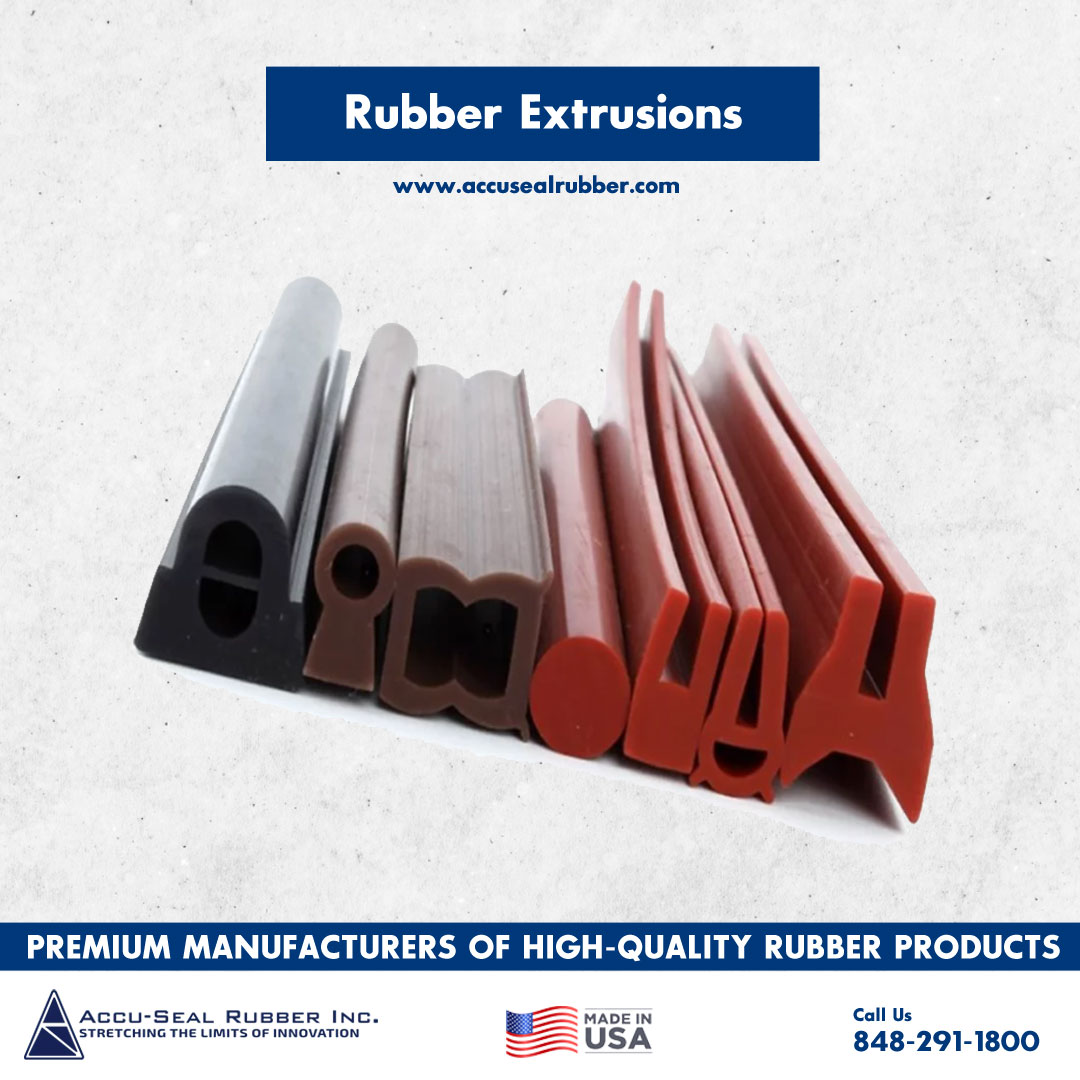
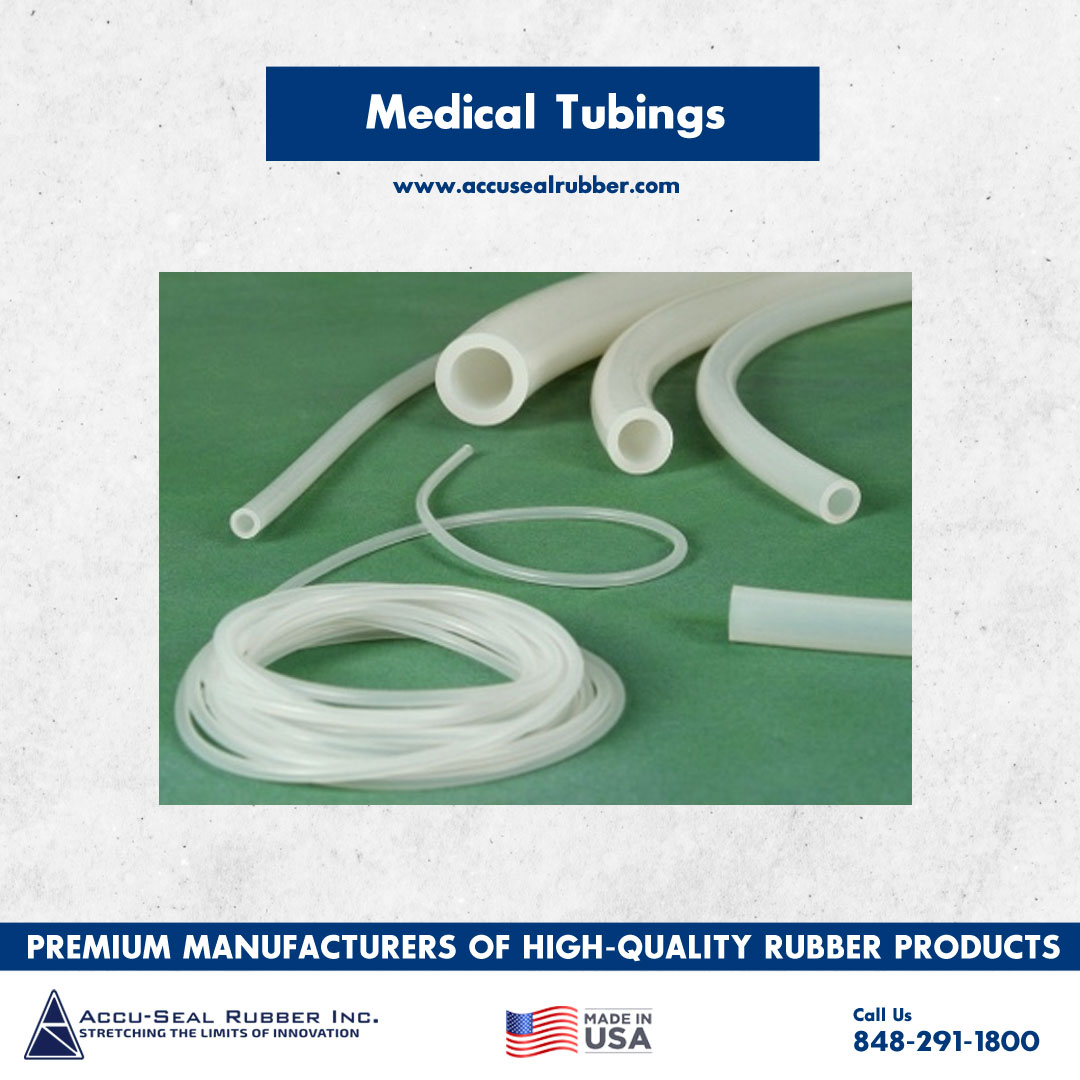
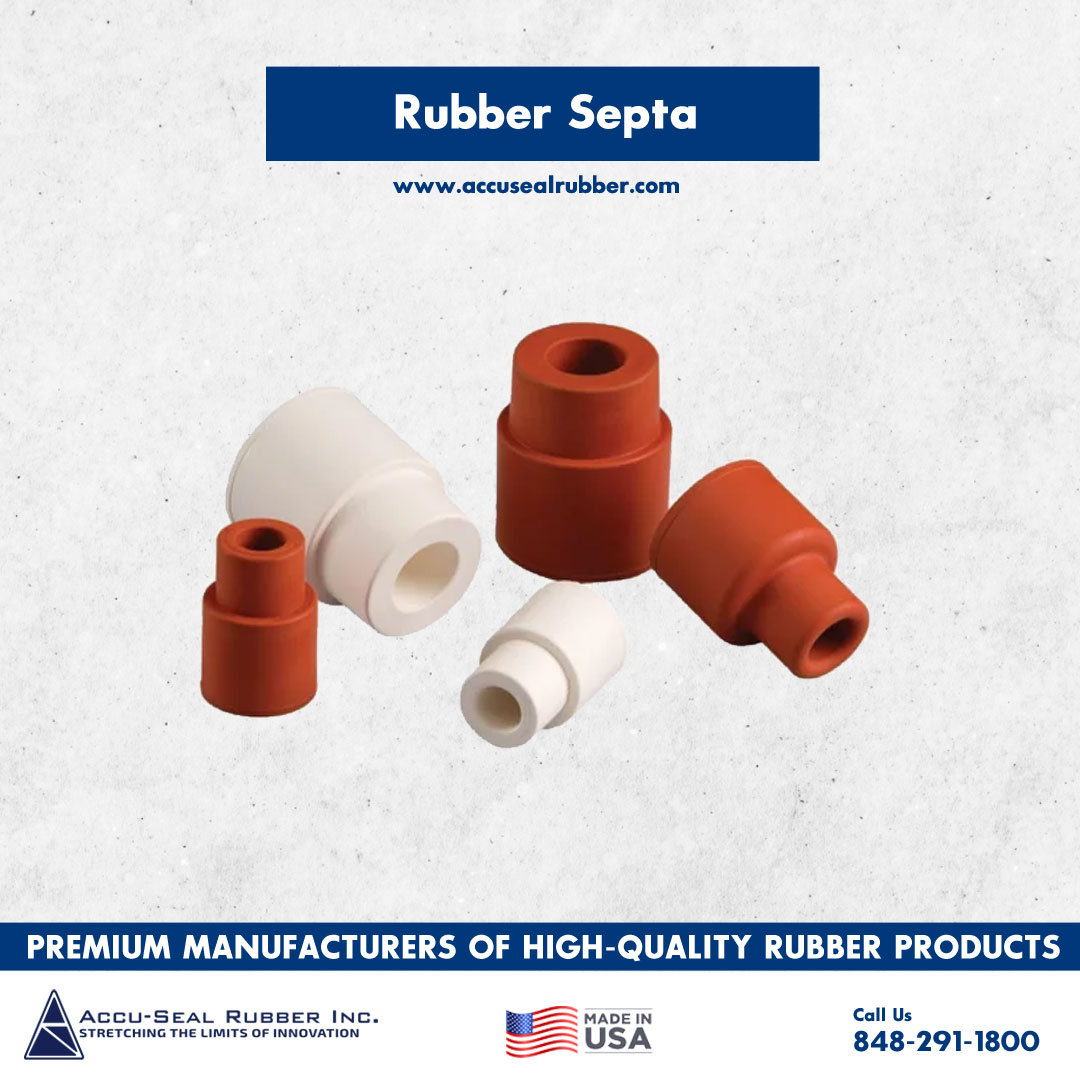
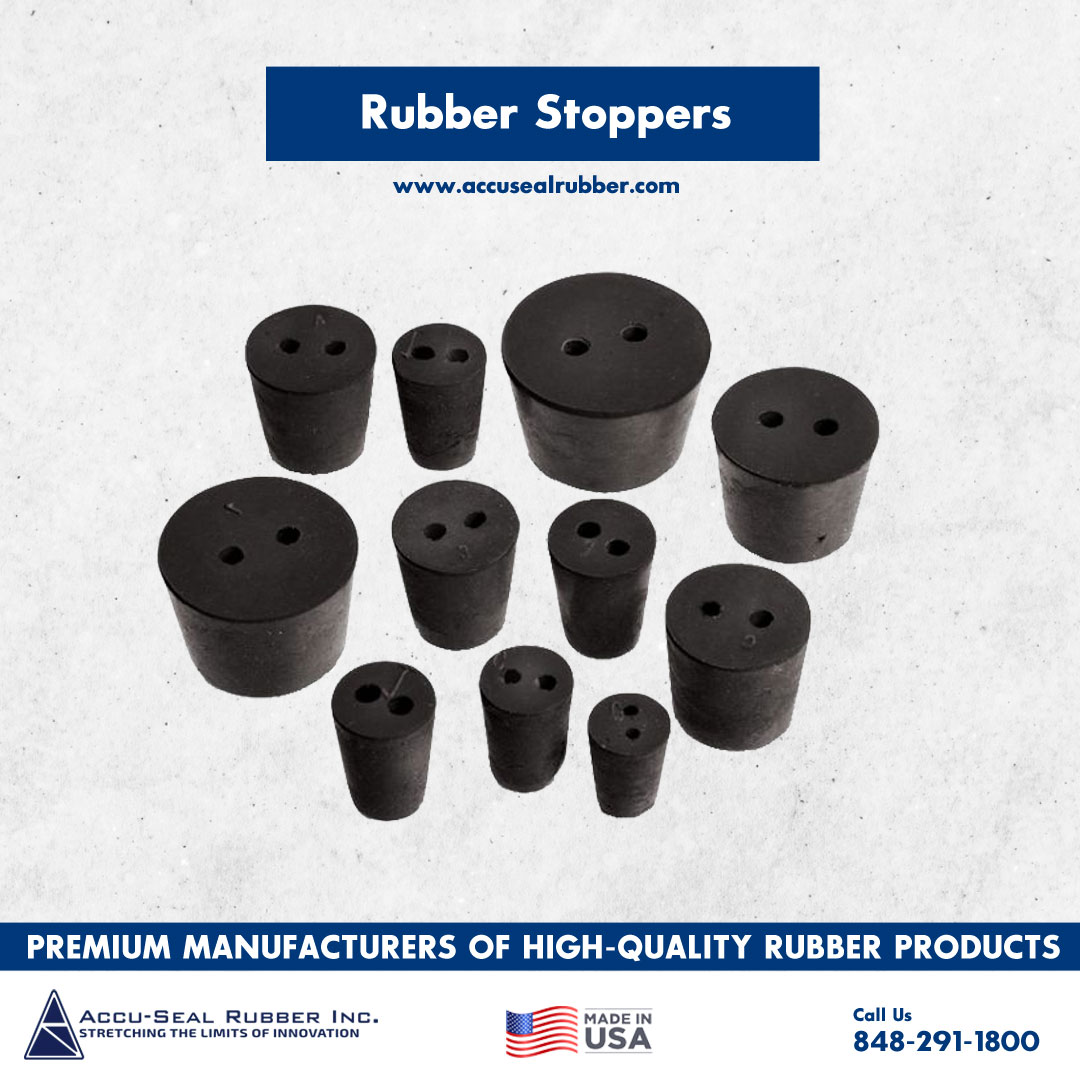
Extruded Rubber Double-Bulb Seals and Gaskets
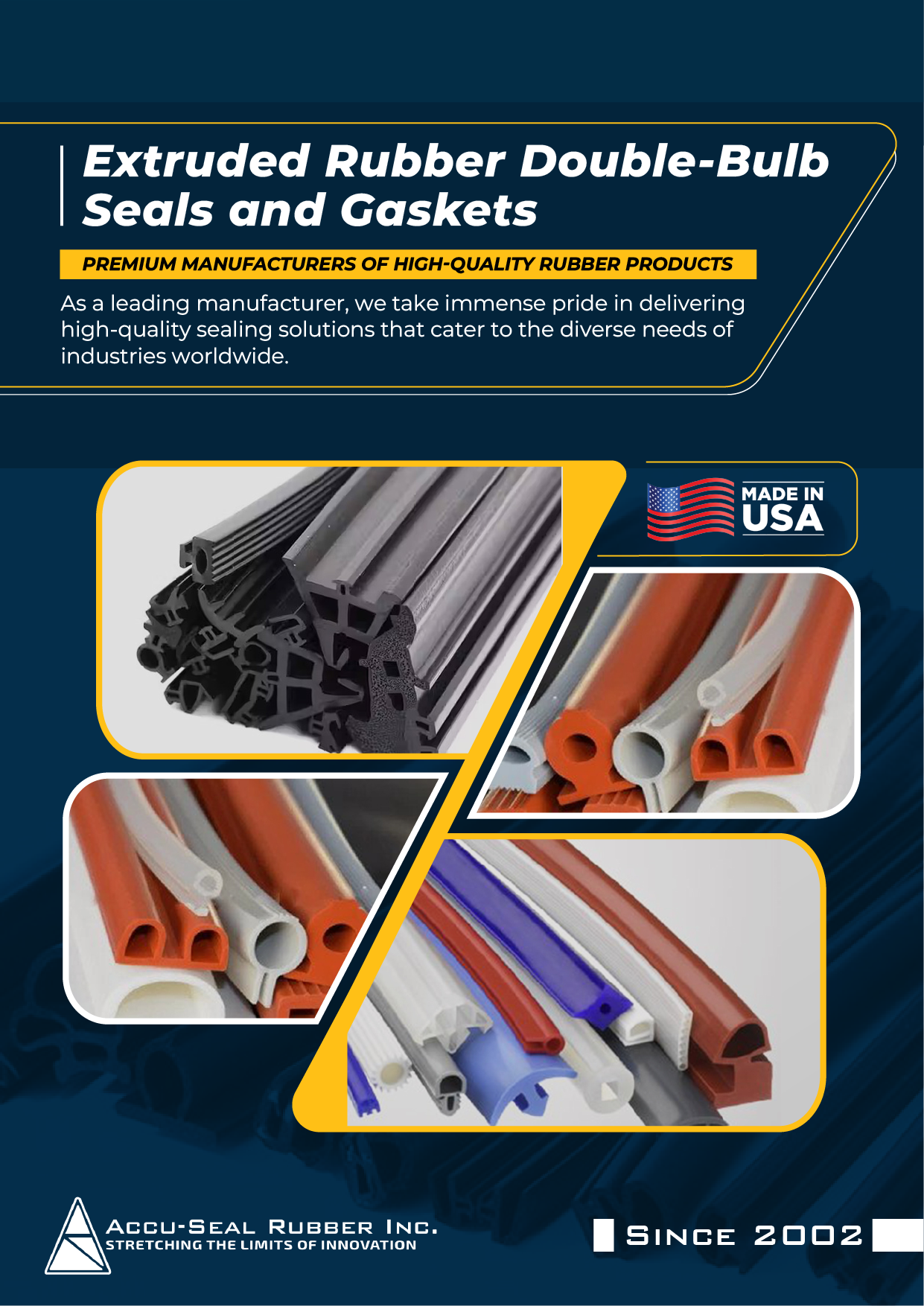
In the world of industrial applications, where leakage, vibration, and environmental factors can compromise performance and safety, the quality of your seals and gaskets is paramount. Among the myriad of sealing solutions available, extruded rubber double-bulb seals and gaskets stand out for their exceptional performance, versatility, and durability.
But what exactly are they, why are they so effective, and how do you choose the right one for your needs?
What Are Extruded Rubber Double-Bulb Seals and Gaskets?
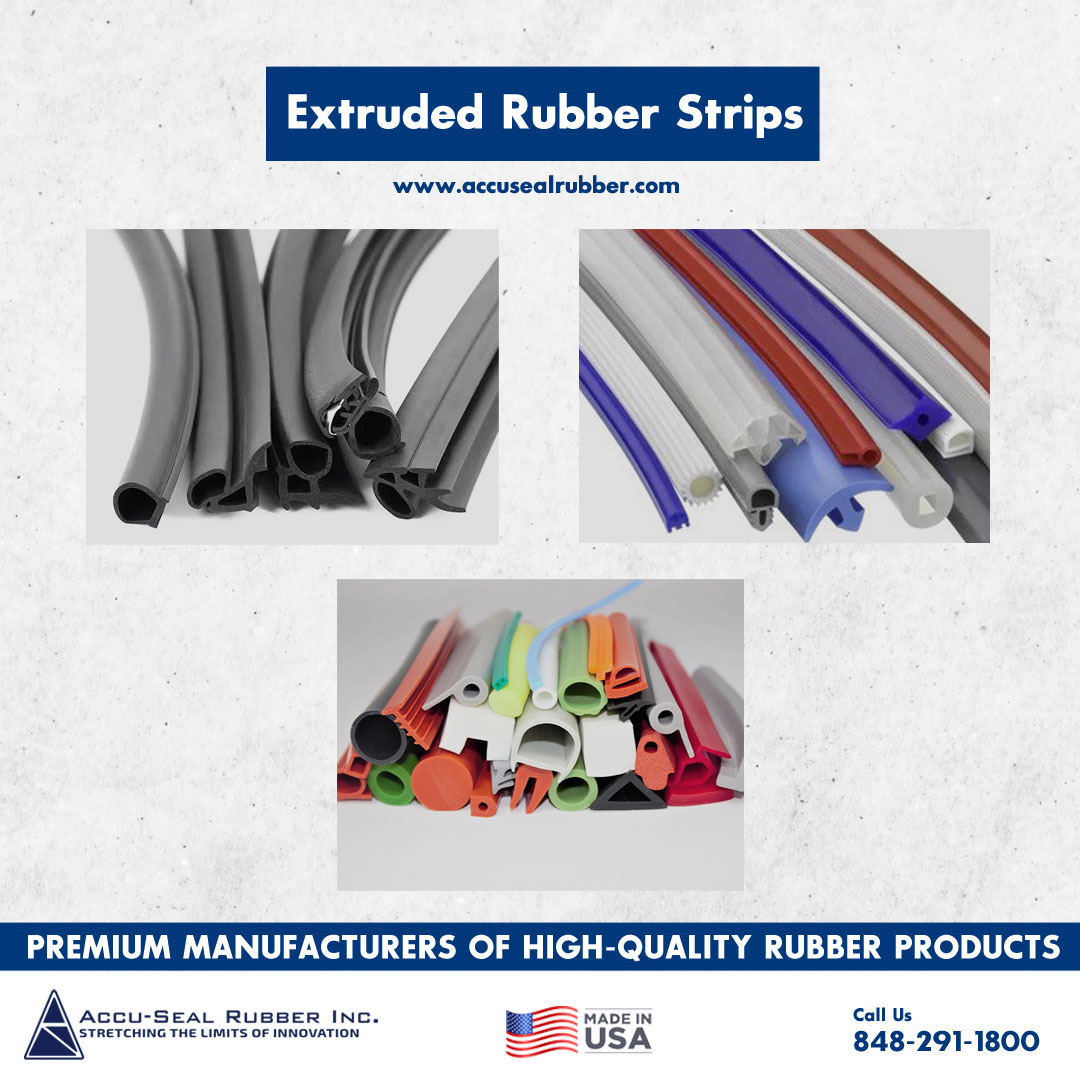
Imagine a seal with two distinct, rounded, hollow sections – these are the “bulbs.” When you compress a double-bulb seal, these two bulbs collapse and deform, creating a highly effective, multi-point seal against surfaces.
Extrusion is the manufacturing process that gives these seals their unique, continuous profile. Rubber material, in a semi-solid state, is forced through a die of a specific cross-section, much like squeezing toothpaste from a tube. This allows for the creation of intricate and consistent shapes over long lengths, making them ideal for sealing linear gaps.
Key Characteristics:
Dual Compression Zones: The two bulbs provide enhanced compression and sealing capacity, offering a robust solution for environments where airtight and watertight protection is critical.
Flexible and Resilient: Made from elastomeric compounds, they maintain excellent recovery properties, meaning they bounce back to their original shape after compression, ensuring long-lasting sealing effectiveness.
Continuous Profiles: Extrusion allows for the production of continuous lengths, which can then be cut to specific sizes, reducing waste and simplifying installation.
Why Choose Double-Bulb Seals Over Other Sealing Solutions?
When considering sealing solutions, you might encounter various types, including single-bulb seals, lip seals, or traditional gaskets. So, what makes double-bulb seals a superior choice for many applications?
Advantages of Double-Bulb Seals:
Enhanced Sealing Performance: The primary benefit is the creation of two distinct sealing points. This dual-layer protection significantly improves the seal’s ability to prevent the ingress of air, water, dust, noise, and other contaminants, even on uneven surfaces.
Superior Vibration and Noise Dampening: The hollow, flexible bulbs are excellent at absorbing vibrations and dampening shocks. This feature is crucial in applications like automotive, heavy machinery, and marine environments, where vibration control is essential for smooth operation and longer component lifespan.
Greater Compression Range: The double-bulb design allows for a wider range of compression, making them adaptable to various gap sizes and irregularities. This flexibility ensures a tight seal even when there are slight variations in the mating surfaces.
Improved Energy Efficiency: By creating exceptionally airtight seals, double-bulb gaskets can significantly contribute to improved energy efficiency in buildings, vehicles, and industrial equipment by preventing drafts and heat loss/gain.
Increased Durability and Longevity: The robust design and the ability to absorb stress across two points often lead to a longer service life compared to single-bulb alternatives, reducing the need for frequent replacements.
Versatility in Application: Their unique design makes them suitable for a vast array of industries and environments.
Where Are Extruded Rubber Double-Bulb Seals and Gaskets Used? (Common Applications)
The versatility and enhanced sealing properties of double-bulb seals make them indispensable in numerous sectors.
Automotive & Transportation:
Car Door Seals: Providing superior weatherproofing and noise reduction, keeping dust, water, and road noise out of the vehicle cabin.
Trunk and Hood Seals: Ensuring watertight and airtight protection for cargo and engine compartments.
RV Slide-Out Seals & Camper Shells: Critical for preventing leaks and drafts in recreational vehicles.
Bus and Train Doors: Ensuring passenger comfort and safety by sealing against external elements.
Marine & Watercraft:
Boat Hatch Seals: Creating watertight seals to prevent water ingress into compartments.
Window and Porthole Seals: Withstanding saltwater, UV exposure, and constant flexing in harsh marine environments.
Watertight Doors: Essential for safety and containment on vessels.
Industrial Equipment & Machinery:
Machinery Enclosure Seals: Protecting sensitive internal components from dust, moisture, and other contaminants.
HVAC Systems: Sealing ducts and vents to enhance energy efficiency and reduce noise.
Heavy Machinery: Used for vibration dampening and sealing critical components.
Construction & Architectural Sealing:
Window and Door Seals: Providing durable, airtight, and watertight seals for residential and commercial buildings, improving insulation and energy efficiency.
Roof Seals & Skylights: Ensuring leak-proof sealing in roofing systems.
Electronics: Protecting sensitive electronic components from dust and moisture in enclosures.
Food & Beverage: In certain applications, especially where equipment enclosures need sealing to maintain hygiene and prevent contamination.
Choosing the Right Extruded Rubber Double-Bulb Seal: Key Considerations
Selecting the optimal double-bulb seal requires careful consideration of several factors to ensure peak performance and longevity in your specific application.
1. Material Selection (The Heart of the Seal):
The rubber compound used significantly impacts the seal’s resistance to environmental factors, temperature, chemicals, and abrasion.
EPDM (Ethylene Propylene Diene Monomer):
Pros: Excellent resistance to weathering, ozone, UV exposure, water, and extreme temperatures. Remains flexible at low temperatures.
Cons: Poor oil and fuel resistance.
Ideal for: Outdoor applications, automotive weatherstripping, window and door seals, general industrial sealing.
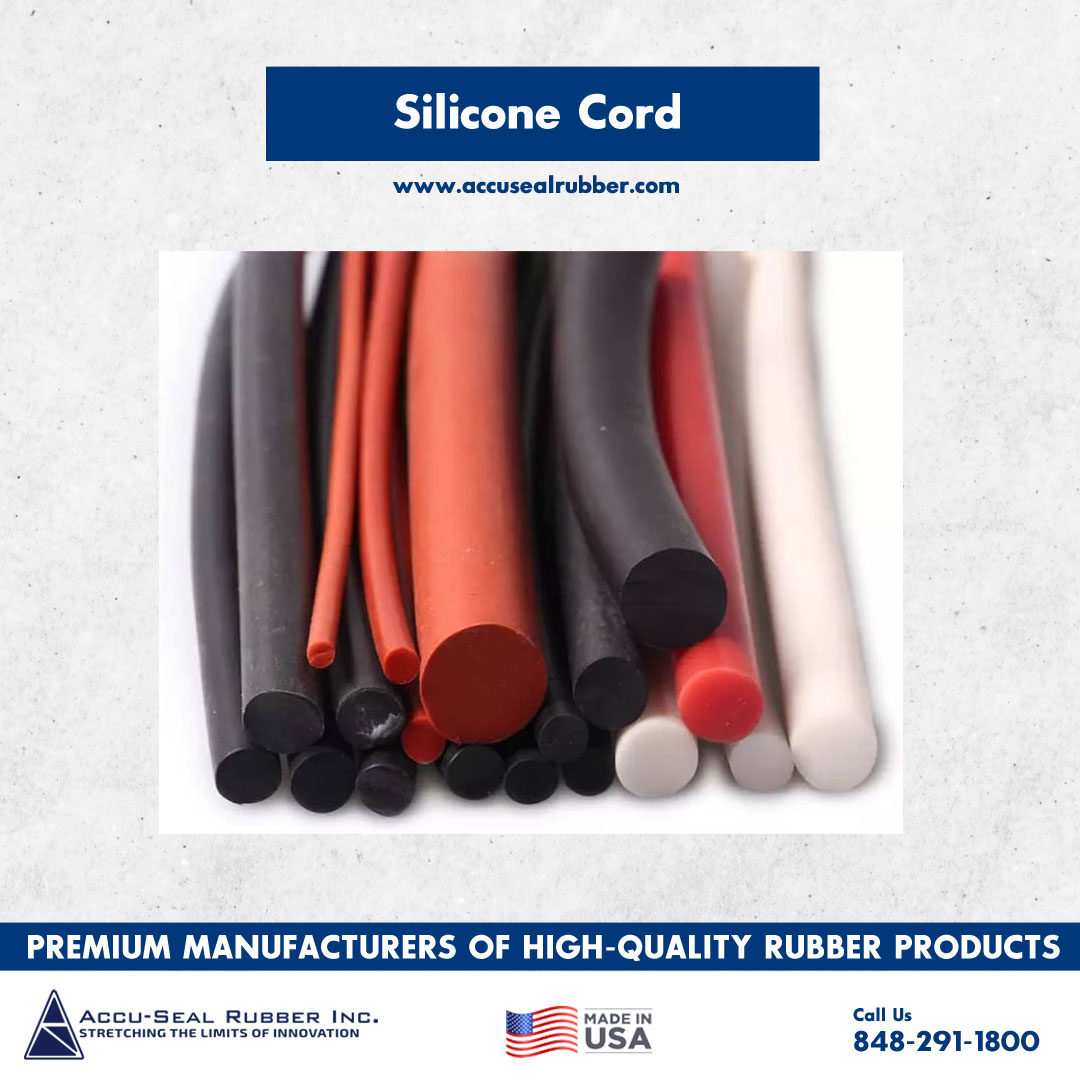
Silicone Rubber:
Pros: Outstanding heat and cold resistance (typically -65°C to 250°C), excellent flexibility, good UV and ozone resistance, biocompatible.
Cons: Lower tensile strength and abrasion resistance compared to some other rubbers, generally higher cost.
Ideal for: High-temperature applications (aerospace, ovens), medical devices, food processing, electrical insulation.
Neoprene Rubber (Chloroprene):
Pros: Good balance of properties, including resistance to weather, oil, chemicals, and abrasion.
Cons: Not as high-temperature resistant as silicone or as weather-resistant as EPDM.
Ideal for: Marine applications, automotive, industrial environments with moderate exposure to oils and chemicals.
Nitrile Rubber (NBR / Buna-N):
Pros: Excellent resistance to oils, fuels, and many chemicals. Good abrasion resistance.
Cons: Poor resistance to ozone, UV, and high temperatures.
Ideal for: Automotive fuel systems, hydraulic and pneumatic seals, oil seals.
FKM (Viton®):
Pros: Exceptional chemical resistance to a wide range of aggressive fluids, high-temperature stability.
Cons: Higher cost, less flexible at low temperatures.
Ideal for: Demanding industrial applications with exposure to harsh chemicals, high temperatures, and fuels.
Thermoplastic Elastomers (TPE/TPV):
Pros: Combines rubber-like elasticity with thermoplastic processability (recyclable), good weather and chemical resistance. Can be custom colored.
Cons: Generally lower temperature resistance than thermoset rubbers.
Ideal for: Applications requiring recyclability, custom colors, and good general performance.
2. Profile and Dimensions:
Size of the Gap: Accurately measure the gap or channel the seal needs to fill. The seal’s dimensions (height, width, bulb diameter) must be compatible with the application.
Compression Requirements: Consider the amount of compression needed to achieve an effective seal. Double-bulb seals are typically designed for around 25% compression for optimal performance.
Mounting Method: How will the seal be installed? Some double-bulb seals feature an integrated trim or retainer for snap-on installation, while others require adhesives (e.g., pressure-sensitive adhesive like 3M acrylic automotive-grade tape) or mechanical fastening.
3. Environmental Conditions:
Temperature Range: What are the minimum and maximum temperatures the seal will be exposed to?
Chemical Exposure: Will the seal come into contact with oils, fuels, solvents, acids, or other chemicals?
UV and Ozone Exposure: Is the seal exposed to sunlight or ozone (common in outdoor and electrical applications)?
Moisture/Water Exposure: Is a watertight seal critical, or is moisture resistance sufficient?
4. Industry Standards & Certifications:
Certain industries (e.g., automotive, aerospace, food and beverage) have specific standards and certifications that rubber compounds and finished products must meet (e.g., FDA, RoHS, REACH, UL50, FMVSS 302).
Installation Tips for Extruded Rubber Double-Bulb Seals
Proper installation is key to maximizing the performance and lifespan of your double-bulb seals.
Clean Surfaces: Ensure mating surfaces are clean, dry, and free of grease, dust, or debris before installation.
Measure Accurately: Cut the seal to the precise length required for your application.
Adhesive Application (if applicable): If using an adhesive-backed seal, apply firm, even pressure to ensure proper bonding. Allow sufficient cure time as specified by the adhesive manufacturer (e.g., 72 hours for 3M acrylic tape).
Proper Compression: Design your application to ensure the seal achieves the recommended compression (typically around 25%) without over-compressing, which can lead to premature failure.
Avoid Stretching: Do not stretch the seal excessively during installation, as this can reduce its effectiveness and lead to gaps over time.
Temperature for Installation: For adhesive-backed seals, ensure the ambient temperature is within the recommended range during installation (e.g., above 60°F for some acrylic adhesives).
Frequently Asked Questions (FAQs) about Extruded Rubber Double-Bulb Seals
Q1: What’s the main difference between a single-bulb seal and a double-bulb seal?
A1: The key difference lies in the number of sealing points. A single-bulb seal provides one primary compression point, while a double-bulb seal offers two distinct compression zones. This dual design in double-bulb seals provides superior sealing effectiveness against air, water, and noise, and often better vibration dampening due to the increased surface area for compression and flexibility.
Q2: Can I get custom extruded rubber double-bulb seals for unique applications?
A2: Absolutely! Many manufacturers, including Accuseal Rubber Inc., specialize in custom extruded rubber profiles. You can often specify the material compound, precise dimensions, color, and even integrate additional features like adhesive backings or unique mounting options to meet your exact project requirements.
Q3: How do I measure for a replacement double-bulb seal?
A3: To measure for a replacement, carefully determine the height, width, and bulb diameter of your existing seal. Also, measure the gap or channel where the seal will be installed. Provide these precise measurements to your supplier to ensure a perfect fit. Don’t forget to note the material if possible, or describe the environment it will be used in.
Q4: Are double-bulb seals resistant to extreme temperatures?
A4: The temperature resistance of a double-bulb seal largely depends on the rubber material it’s made from. Silicone rubber offers the widest temperature range, often performing from as low as -65°C to as high as 250°C. EPDM and Neoprene also offer good temperature resistance for many applications. It’s crucial to select the material appropriate for your specific temperature exposure.
Q5: What’s the best material for an outdoor double-bulb seal exposed to sunlight and rain?
A5: For outdoor applications with exposure to sunlight, rain, and ozone, EPDM rubber is generally the top recommendation. It boasts excellent weathering, UV, and ozone resistance, making it highly durable in exterior environments. Silicone is also a good choice for UV and ozone, especially if high-temperature performance is also needed.
Q6: Can double-bulb seals help reduce noise in an enclosure?
A6: Yes, double-bulb seals are highly effective in noise reduction and sound dampening. Their dual, hollow structure provides excellent acoustic insulation by creating a tight barrier that minimizes air and sound infiltration. This is particularly beneficial in automotive cabins, industrial enclosures, and architectural applications.
Q7: How do I know if I need an adhesive-backed double-bulb seal?
A7: An adhesive-backed double-bulb seal is ideal for applications where easy, secure installation is desired without mechanical fasteners. They are great for static applications or light-duty dynamic uses where the adhesive holds the seal in place. For high-stress, high-movement, or extremely hot environments, mechanical fastening might be preferred or a stronger, specialized adhesive required.
Trust Accuseal Rubber Inc. for Your Extruded Rubber Double-Bulb Seal Needs
When it comes to sourcing high-quality, reliable, and durable extruded rubber double-bulb seals and gaskets, Accuseal Rubber Inc. stands as a leading manufacturer in New Jersey, USA. We pride ourselves on delivering precision-engineered sealing solutions tailored to the most demanding industrial applications.
Our expertise in rubber extrusion, combined with a deep understanding of various elastomer compounds, allows us to provide:
Custom Extruded Rubber Double-Bulb Seals: We can manufacture seals to your precise specifications, ensuring a perfect fit and optimal performance for your unique project.
High-Performance Materials: From weather-resistant EPDM and high-temperature silicone to oil-resistant Nitrile and chemical-resistant Viton®, we work with a wide array of premium rubber compounds.
Quality and Reliability: Our stringent quality control processes ensure that every product meets the highest industry standards, providing you with long-lasting and effective sealing solutions.
Exceptional Customer Service: Our team of expert consultants is ready to assist you, offering guidance and technical support to help you select the ideal double-bulb seal for your application.
Don’t compromise on the integrity of your seals. Whether you need standard profiles or a custom-engineered solution, Accuseal Rubber Inc. is your trusted partner.
Ready to enhance your product’s performance and durability with superior sealing?
Request a Quote: Get a personalized quote for your specific extruded rubber double-bulb seal and gasket requirements.
Contact Us: Speak with our knowledgeable team about your project needs or any technical questions you may have. Call us at 848-291-1800 or email us at info@accusealrubber.com.
Explore Our Products: Discover our extensive range of extruded rubber seals and gaskets designed for diverse industries.
Accuseal Rubber Inc. – Your partner in precision rubber solutions.